IRON NEST: Heavy Turret Simulator Smoke (SMK) & Star (STAR) Shells
Concealment and illumination —control what the enemy sees and what you can correct after dark.
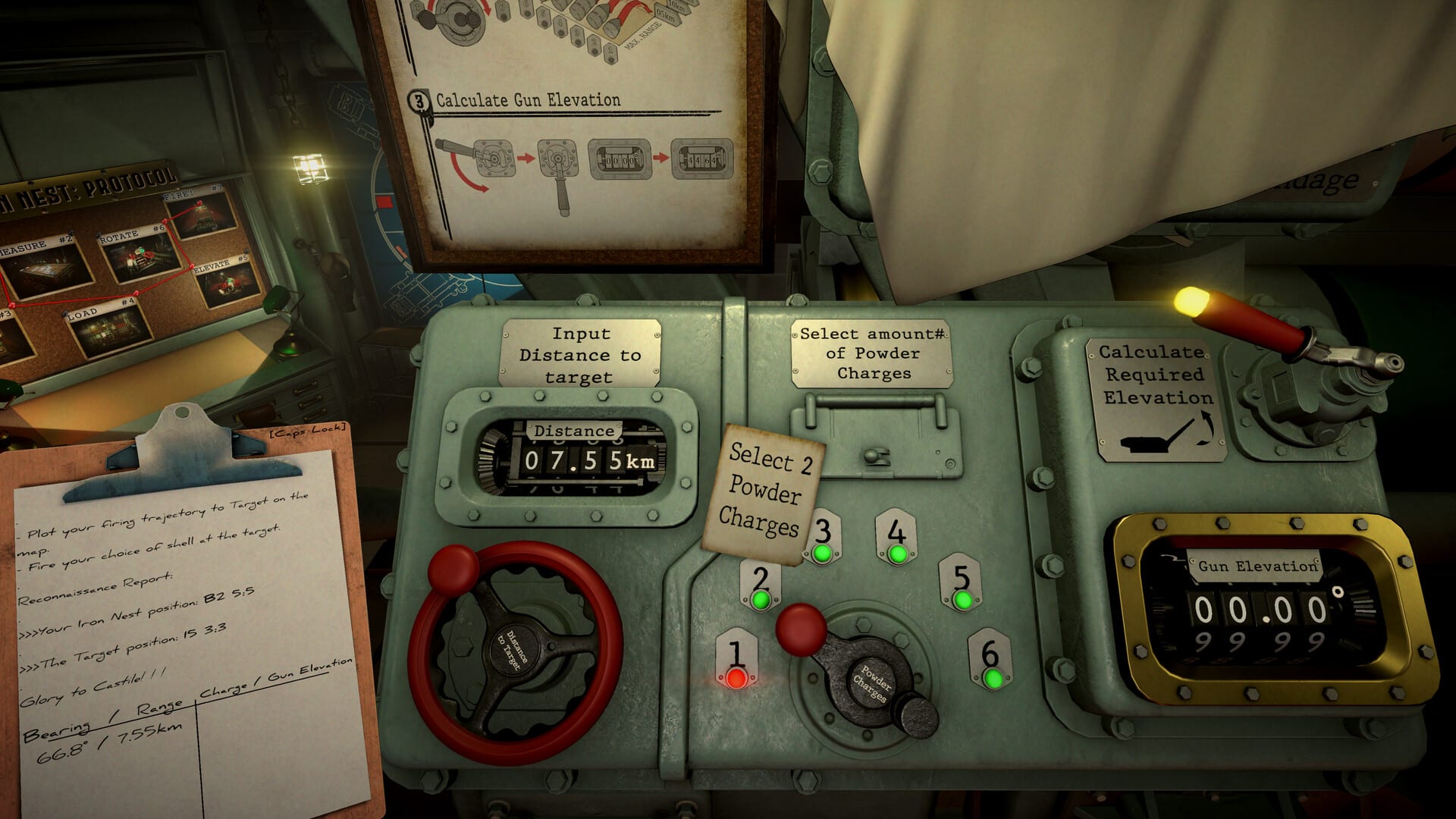
Not every round on the Iron Nest rack exists to destroy targets. Smoke (SMK) and Star / Illumination (STAR) shells shape the battlefield through sightlines rather than raw damage. Smoke builds white phosphorus screens that block observation and mask friendly movement. Star shells hang a bright flare over the grid so spotters —and you —can read sub-cells, place correction tokens, and follow up with HE or AP fires in low visibility.
These rounds sit at S-tier on specialized rows of the Shell Tier List but rank B-tier on generic destroy missions. Loading STAR when High Command expects bunker demolition fails grading as surely as loading AP for a illumination task.
Smoke shell (SMK)
Role
Smoke delivers area concealment without seeking kills. The payload generates a wide smoke cloud that interferes with enemy observation of the Iron Nest or friendly advance lanes. Blast and damage values sit in the wide-radius family alongside other area tools, but mission scoring treats smoke as non-lethal battlefield control.
When smoke is S-tier
- Orders explicitly request screening or concealment.
- You must mask repositioning between counter-battery salvos.
- Intel warns of enemy observers lining up direct fire on the Nest position.
- Combined-arms scenarios where friendly units cross open grid squares under watch.
When smoke is wrong
- Destroy missions with kill quotas —HE or HCHE required.
- Hardened point reduction —Armor-Piercing Shells.
- Chemical area denial —Chemical & Incendiary Shells.
Current demo content uses smoke sparingly; the rack includes SMK early so mechanics are ready when later operations activate. Do not assume unused inventory is a bug.
Plotting smoke fires
Smoke still demands correct bearing and range —a smoke cloud on the wrong grid square helps nobody.
- Plot target grid for where the screen should center —often between Nest and threat axis, not on the enemy token.
- Red pencil line for calculator data —Map Console Tools.
- Consider wind and mission script hints if briefing mentions drift (future ops may simulate drift; demo often static).
- Load SMK on selector; charge per calculator —Physical Gun Controls.
Use measure drag to preview radius against friendly tokens before firing.
Star shell (STAR)
Role
Star shells deploy a high-luminosity flare —parachute-suspended illumination over a wide map area. Damage is minimal; the value is visibility for observation and correction. Night missions, post-smoke assessment, and false-flag setups referenced in advanced intel sometimes specify STAR before follow-up HE.
When star is S-tier
- Night operations where sub-cell reading without flare fails.
- Correction phase after a miss —illuminate, re-mark, second barrel fires HE.
- Orders requesting illumination or “star shell” by name.
- Scout plane coordination when ground visibility is zero (cross-read Guides hub for air-spotter missions).
Star workflow (two-gun)
A proven demo pattern:
- Gun one: STAR on target area grid —wide illumination.
- Re-read sub-cell under flare; adjust target token if needed.
- Gun two: HE or HCHE on confirmed coordinates —High-Explosive Shells.
Separate clipboard sides per gun —Default Keybinds Tab discipline.
When star is wrong
- Daylight missions with full visibility —wasted credit and time.
- Bunker breach —AP required.
- Sole round when destruction is the only win condition.
SMK vs STAR comparison
| Aspect | SMK (Smoke) | STAR (Illumination) |
|---|---|---|
| Primary effect | Blocks vision | Adds vision |
| Damage focus | Low / denial | Minimal |
| Blast radius | Wide | Moderate footprint for flare hang |
| Typical follow-up | Movement under cover | HE/AP correction shot |
| Tier on concealment missions | S | B |
| Tier on night observe missions | B | S |
Requisition and rack presence
STAR is often cheap relative to HCHE —useful on tight budgets when night grading demands illumination. SMK costs vary by operation; treat both as specialty loads reserved mentally like AP, not spammable HE.
Controls and loading
Selector, rammer, and powder charge steps match explosive rounds —only the shell type changes on the gauge. Gas mask (G) matters less for smoke/star than for chemical loads, but keep Default Keybinds muscle memory for when missions chain SMK into PGAS areas.
Map table habits
- Use white pencil for planned screen edges that should not copy to clipboard.
- Use red pencil only for the actual fire mission line of the round you are shooting.
- After STAR, yellow pencil helps mark corrected target without overwriting firing clipboard until red line is redrawn.
Tier list cross-reference
| Target intent | SMK tier | STAR tier |
|---|---|---|
| Concealment | S | B |
| Night observation | B | S |
| Destroy hardened | B | B |
| Destroy soft | B | B |
Full tables: Shell Tier List.
Related pages
- Ammunition hub —all shell types
- Chemical & Incendiary Shells —area denial vs concealment
- High-Explosive Shells —follow-up fires after STAR
- Map Console Tools —pencils and measure
- Physical Gun Controls —loading
- Getting Started —demo night intro if available
- Guides hub —illumination walkthroughs
Frequently Asked Questions
Quick answers to the most common questions.
Does smoke deal damage to enemies?
Smoke is primarily a concealment tool. It may carry low damage values in data, but missions score it on sightline control rather than kills.
Why fire a star shell before HE?
Illumination reveals sub-cell detail at night so your follow-up explosive round lands on the corrected coordinate instead of a guessed grid square.
Are smoke missions in the demo?
Smoke mechanics exist on the rack early, but many demo operations emphasize HE and AP. Expect more SMK grading in later campaign content.